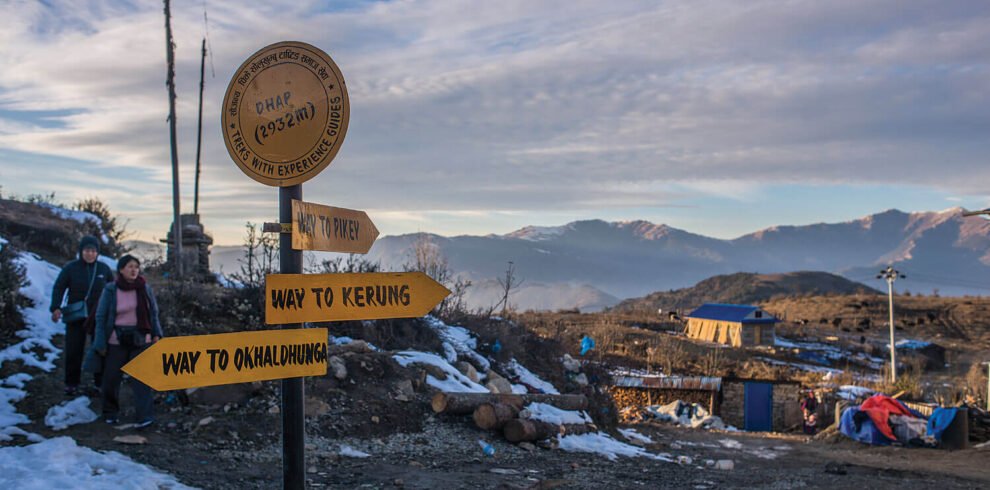
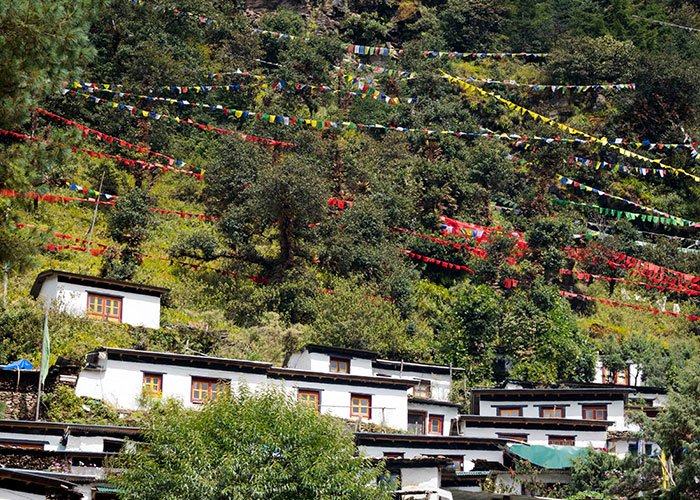
The Lower Solu Khumbu and Mera Peak trek is a unique village and family trekking experience in Nepal, offering a deep dive into the region’s rich cultural and geographical diversity. The trek takes you through numerous hamlets where the Sherpa community is predominant, while the lower Solu Khumbu is home to the Kirat Rai ethnic group, alongside Brahmins, Magars, and other communities contributing to the local way of life. As you hike through these villages, you’ll get the chance to explore traditional lifestyles, visit ancient monasteries, and experience local customs firsthand.
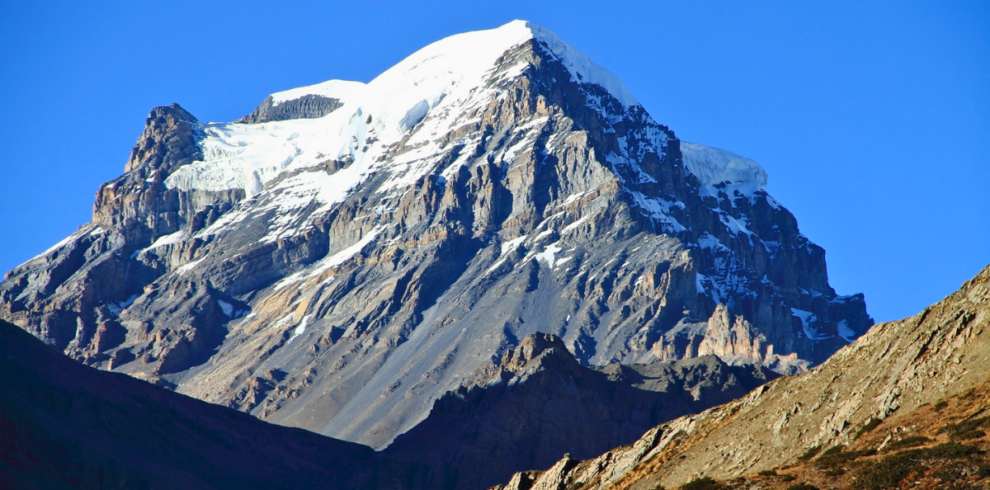
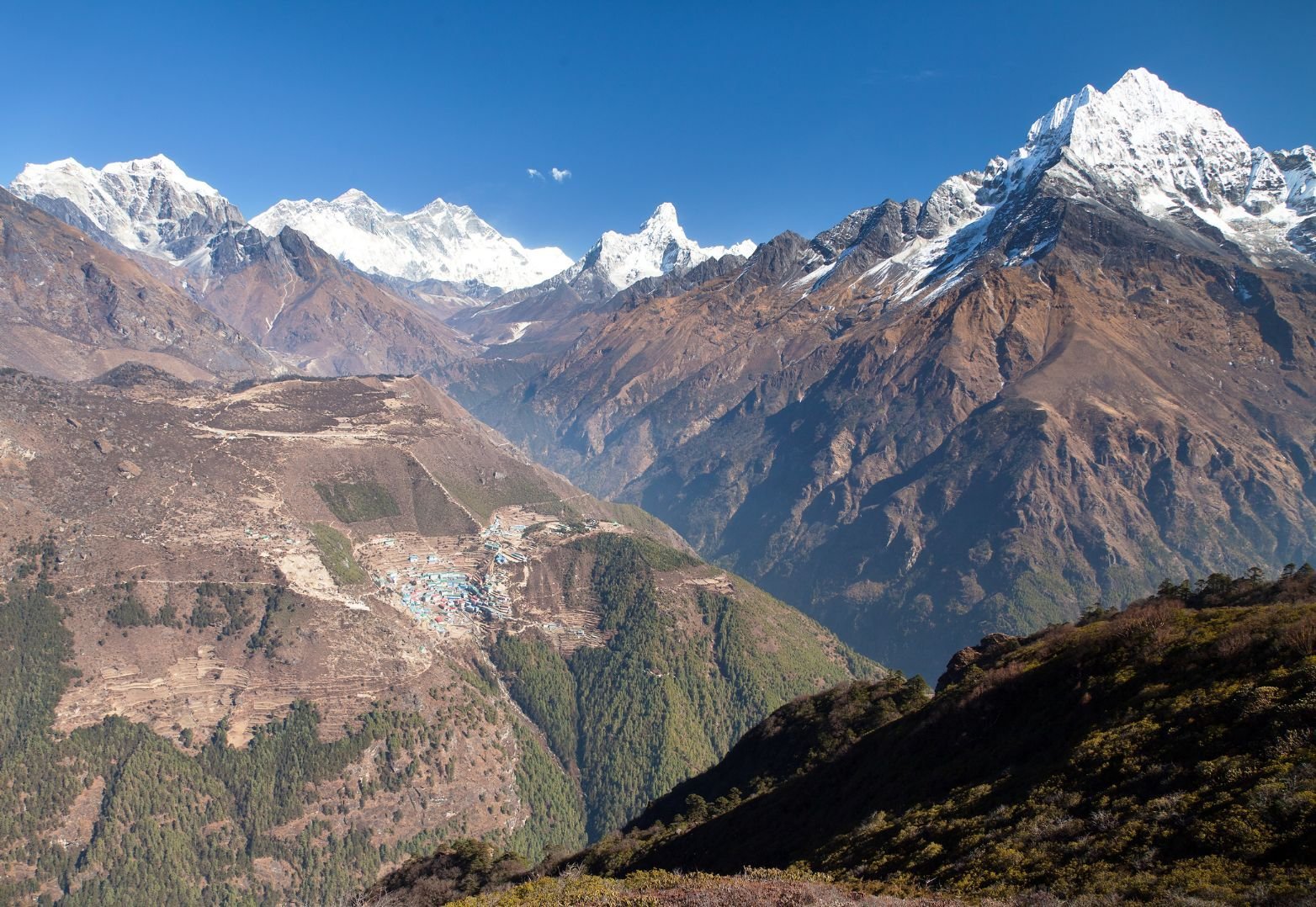
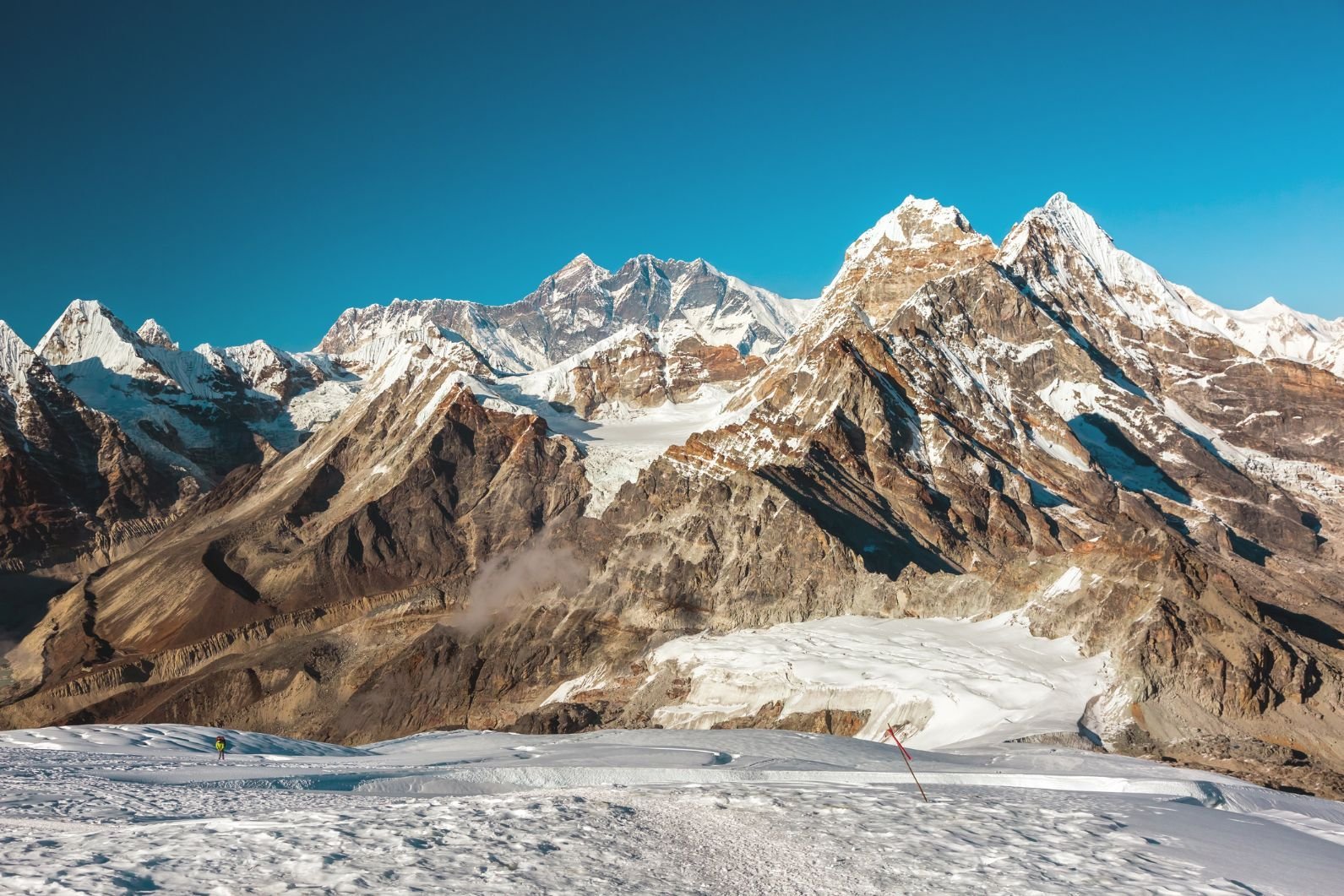
One of the trek’s highlights is the breathtaking view of Nepal’s iconic eight-thousanders, stretching from Makalu in the east to Lhotse in the west, with Mount Everest proudly standing among them. While the village trek itself is moderate in difficulty, the Mera Peak climb adds an exciting challenge. Mera Peak, classified as the highest trekking peak in the Khumbu region by the Nepal Mountaineering Association (NMA), rises to 6,476 meters within Makalu Barun National Park in the Solu Khumbu district. It is a popular peak among trekkers and climbers alike, offering both adventure and spectacular high-altitude scenery.
Trip Info
-
Spring/Autumn/Winter
-
Fly/ Car/ Jeep
-
5-6 Hours
-
Hotel / Tea Houses
-
6465m.
Overview
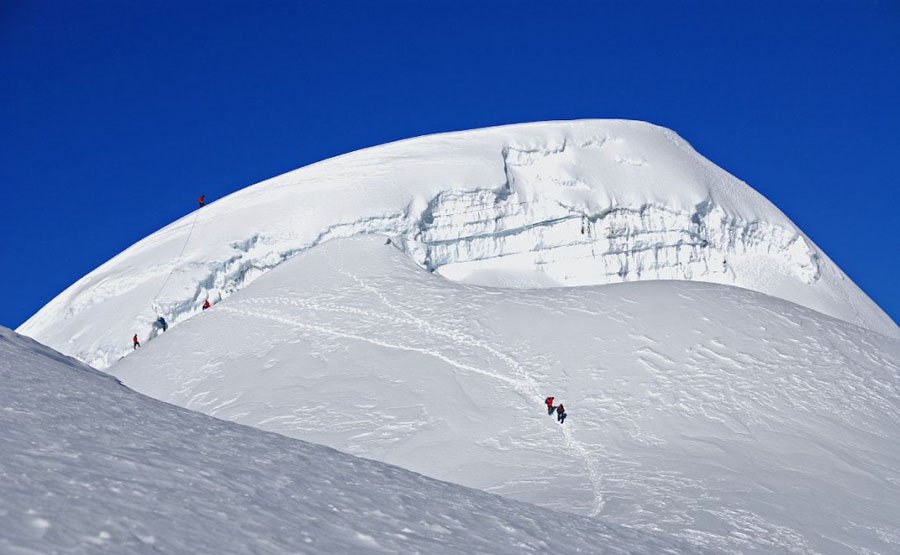
Mera Peak is located in the Mahalangur section of the Everest region within the Solukhumbu district. The mountain has three main summits: Mera South (6,065 m), Mera Central (6,461 m), and Mera North (6,467 m). On this trek, climbers aim to reach the North summit, as the other peaks are more technically challenging. While the North route is considered the easiest of the three, it still involves high-altitude glacier walking, offering an accessible yet thrilling climbing experience.
Trip Highlights
- The Mera Peak Summit (6461m), is Nepal’s highest trekking peak.
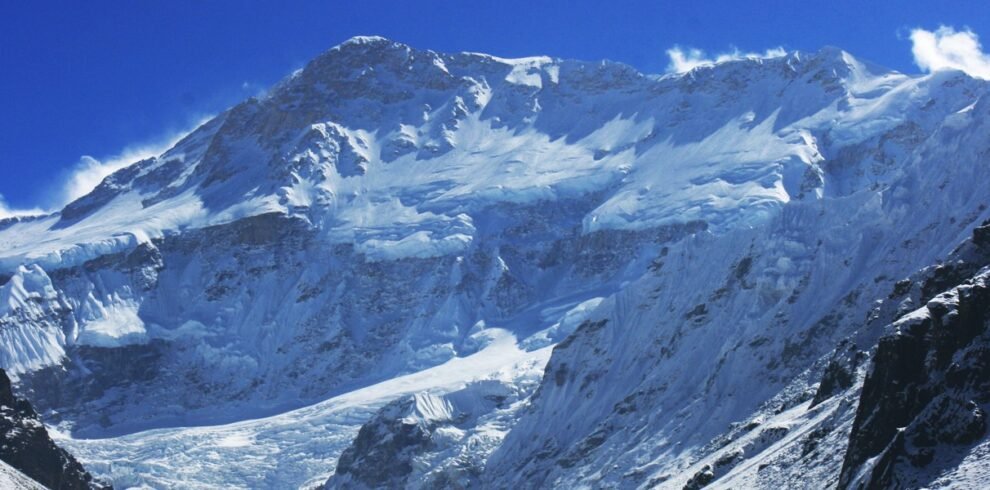
- Close-up views of Mt. Everest (8848.86m), Kanchenjunga (8586m), Lhotse (8516m), Makalu (8463m), and Cho Oyo (8188m).
- Everest region’s exotic flora and animals. Glacial lakes, Hinku valley, waterfalls, yak pastures, rhododendron jungles, and glacial rivers are just a few of the highlights.
- Small, pocket-sized communities, less-traveled paths with breathtaking views.
- Immerse yourself in the isolated culture and lifestyle while surrounded by lofty pinnacles.
- A sufficient number of acclimatization days, as well as pre-climbing training, are required before the summit push.
- An experienced Sherpa climber guided the trek.
- Following off-the-beaten paths, pass via the lovely Sherpa settlements of kharikhola or pangong, Thaknak, and Khare.Najingdingma.
- Considered a "trekking peak," meaning you can reach the base camp primarily by trekking, unlike some more technical peaks requiring advanced climbing skills.
- While considered relatively easy for a peak of its height, glacier travel and high altitude still pose challenges, requiring good physical fitness and proper preparation.
- Spring (March-May) and Autumn (September-November) offer the most stable weather conditions for climbing Mera Peak.