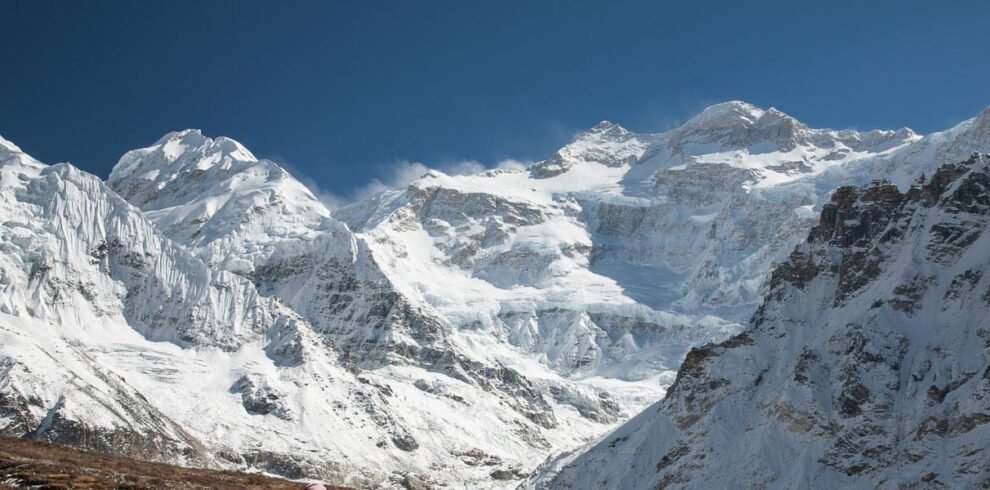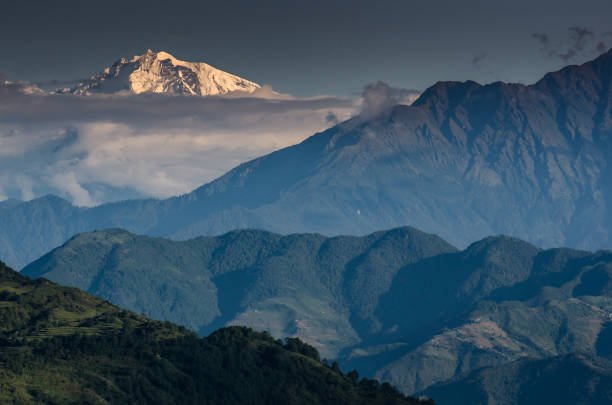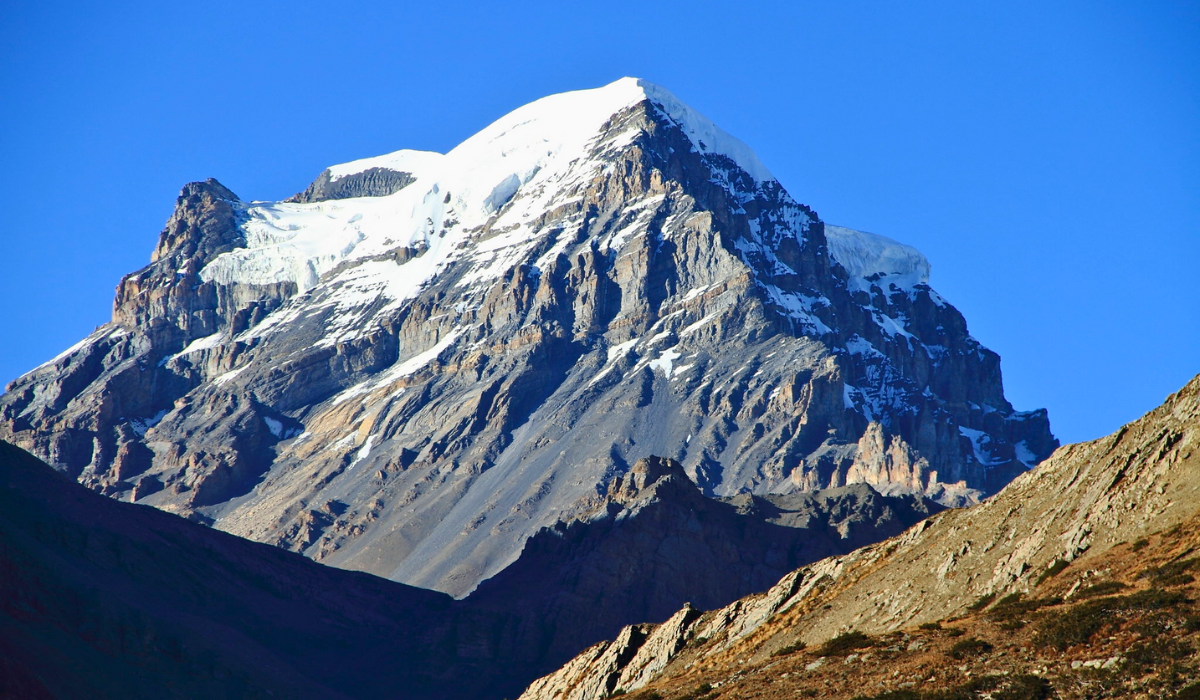
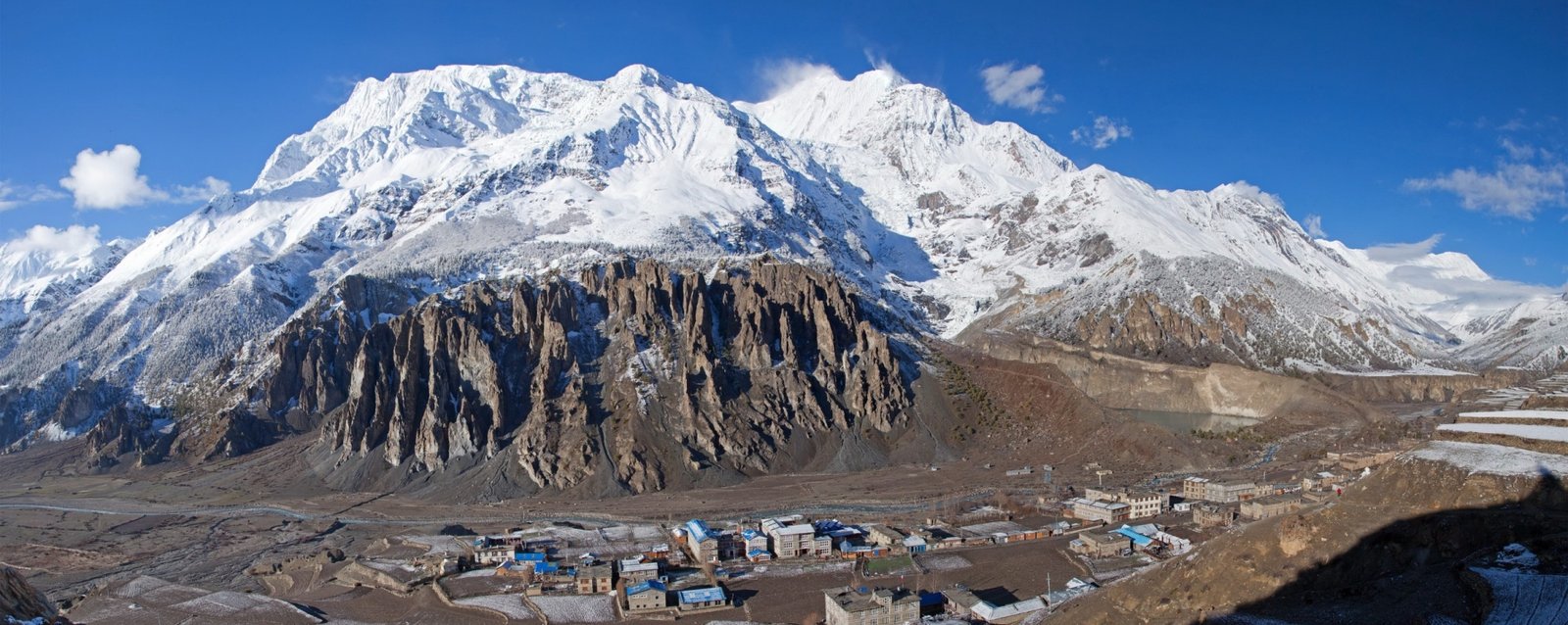
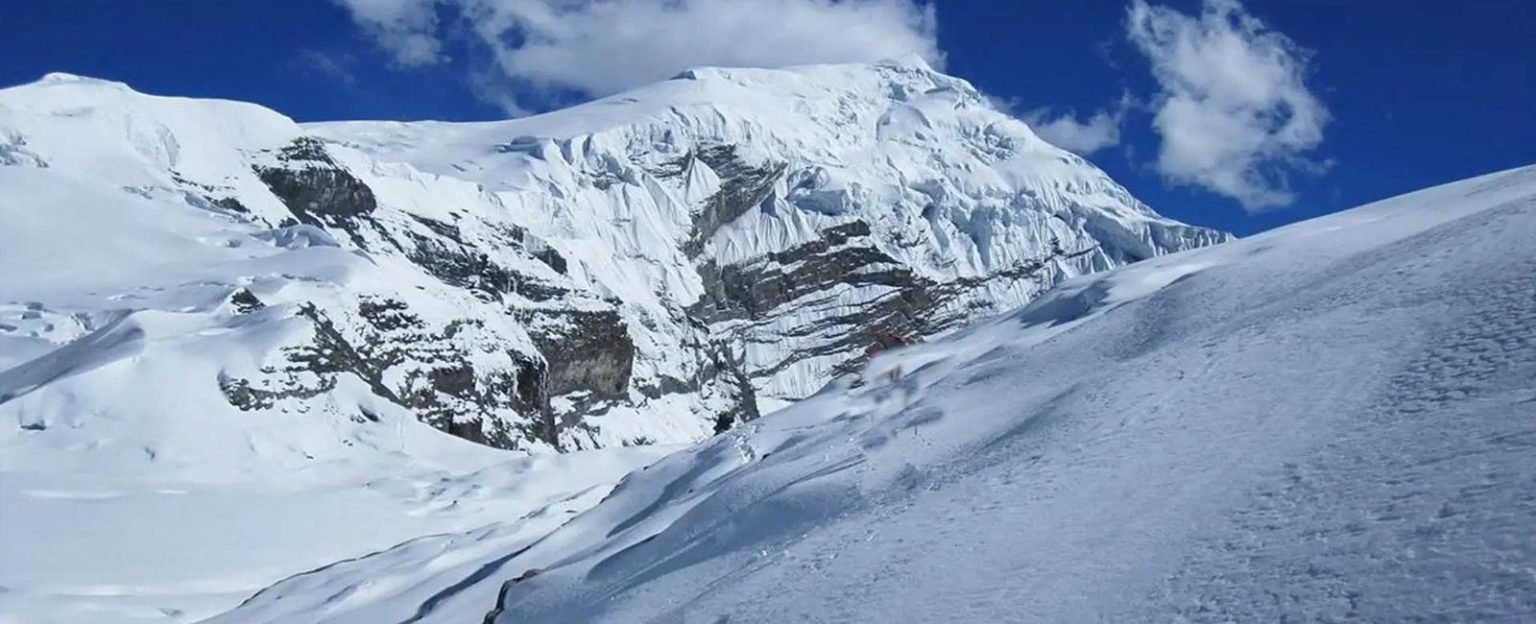
Chulu West (6,584 m) is a popular trekking peak located high above the Manang Valley in the Annapurna region, forming part of the Manang Himal. The climb is technically challenging and requires proper mountaineering skills. Climbers need to be proficient with equipment such as crampons, harnesses, and ice axes, and must know how to tie knots, handle ropes, and walk on ropes while crossing glaciers.
From the summit, climbers are rewarded with spectacular, close-up views of the Annapurna range, including Annapurna I, III, IV, Gangapurna, Glacier Dome, Dhaulagiri, Tilicho Peak, and Manaslu. The Chulu massif consists of both Chulu West and Chulu East, which often causes confusion due to unclear markings on maps and the presence of multiple summits in the same area. Only experienced climbers can reliably distinguish Chulu East, and many have mistakenly climbed the wrong peak.
Expeditions to Chulu West or Chulu East are usually combined with Nepal’s famous Annapurna Circuit trek, creating one of the most scenic trekking and climbing experiences in the Himalayas.
Trip Info
-
Spring/Autumn/Winter
-
Jeep/Car/ Tourist bus.
-
5-6 Hours
-
Hotel / Tea Houses
-
6584m
Overview
Chulu East (6,584 m) is one of the most stunning peaks in the Himalayas, situated in the Annapurna mountain range and forming part of the Damodar Himal. Unlike its western counterpart, Chulu East is considered a less technical peak, but climbers are still advised to have prior mountaineering experience. Knowledge of essential climbing skills and equipment—such as using crampons, harnesses, ice axes, tying knots, and handling ropes—is required to safely attempt this adventure.
Trip Highlights
- Chulu East Peak is one of the highly-rated trekking peaks in Nepal.
- Chulu East Peak is the straightforward trekking peak in the Annapurna region.
- Explore the beautiful Gurung Villages in Annapurna Region.
- Chulu East Peak Climbing trip is a combined trekking experience with the most popular Annapurna Circuit Trekki
- Chulu East Peak Summit climbers enjoy the panoramic views of the Annapurna, Dhaulagiri and Manaslu Himalayan ranges.
Itinerary
Arrive in Kathmandu, Nepal’s vibrant capital, and transfer to your hotel. Rest and recover from your journey. Depending on your arrival time, you can explore nearby areas, enjoy local cuisine, or attend a short briefing about your upcoming trekking and climbing adventure. Overnight stay at the hotel in Kathmandu.
After breakfast, enjoy a guided sightseeing tour of Kathmandu’s cultural and historical landmarks, including UNESCO World Heritage Sites such as Pashupatinath Temple, Boudhanath Stupa, and Kathmandu Durbar Square. In the afternoon, complete your trekking and climbing preparations, including gear checks, briefing sessions, and necessary paperwork or permits for the expedition. Overnight stay at your hotel in Kathmandu.
After an early breakfast, drive from Kathmandu to Khudi or Sangya, located in the beautiful Manang region. The journey takes you through scenic valleys, rivers, and terraced farmlands, offering glimpses of rural Nepalese life along the way. Upon arrival, check into your lodge, rest, and acclimatize to the altitude. You can take a short walk around the village to enjoy the surrounding landscapes and prepare for the trekking days ahead. Overnight stay at a lodge in Khudi/Sangya.
After breakfast, begin your trek from Syange/Jagat, following the Marsyangdi River through beautiful forests and traditional villages. The trail passes terraced fields, suspension bridges, and small settlements, offering a first taste of the Annapurna region’s natural beauty and local culture. Today’s trek is moderate, allowing you to gradually acclimatize to the increasing altitude. Arrive in Dharapani by late afternoon, check into your lodge, rest, and enjoy the surrounding Himalayan views. Overnight stay at a lodge in Dharapani.
After breakfast, continue trekking along the Marsyangdi River valley, passing through lush forests, charming villages, and terraced fields. The trail gradually ascends, offering panoramic views of the surrounding Himalayan peaks as you approach Chame, the administrative center of the Manang district. Take time to explore the village, visit local teahouses, and enjoy the peaceful mountain scenery. Overnight stay at a lodge in Chame.
After breakfast, trek from Upper Pisang through beautiful pine and rhododendron forests, crossing small streams and suspension bridges. The trail gradually climbs along the Marsyangdi River valley, offering stunning views of Annapurna II, Lamjung Himal, and Pisang Peak. Arrive in the picturesque village of Manang by afternoon, a key stop for acclimatization before higher altitudes. Take some time to rest, explore the village, and prepare for the upcoming trekking and climbing days. Overnight stay at a lodge in Manang.
Today is an important rest and acclimatization day in Manang (3,470 m). You can take a short hike to nearby viewpoints, such as the Gangapurna Glacier or Ice Lake, to help your body adjust to the altitude while enjoying breathtaking Himalayan scenery. Explore the traditional village, interact with locals, and learn about the unique culture of the Manang region. Use this day to rest, hydrate, and prepare for the higher-altitude trekking and climbing ahead. Overnight stay at a lodge in Manang.
After breakfast, begin a moderate trek from Manang to Ledar, passing through rugged trails, alpine meadows, and small settlements. The trail gradually ascends, offering spectacular views of surrounding peaks such as Gangapurna, Annapurna III, and Chulu East and West. Ledar is a quiet and scenic village, perfect for acclimatization at this altitude. Spend the afternoon resting, taking short walks around the area, and enjoying the serene Himalayan environment. Overnight stay at a lodge in Ledar.
After breakfast, trek from Ledar to Chulu West Base Camp, gradually ascending through rocky trails and alpine terrain. The trail offers breathtaking views of Annapurna III, Gangapurna, and other surrounding peaks. This trek provides an excellent opportunity to acclimatize further and prepare for the technical climb ahead. Upon arrival at Base Camp, rest and review your climbing equipment while soaking in the stunning high-altitude scenery. Overnight stay at Chulu West Base Camp.
After an early breakfast, begin your climb from Chulu West Base Camp to Camp I. The trail is rocky and steep in sections, requiring careful navigation and the use of basic mountaineering techniques. Along the way, enjoy panoramic views of the surrounding peaks, including Annapurna III, Gangapurna, Glacier Dome, and Dhaulagiri. Take regular breaks to acclimatize and stay hydrated. Arrive at Camp I by afternoon, set up camp, and prepare for the higher ascent the next day. Overnight stay at Camp I.
Today is a rest and acclimatization day at Camp I (5,100 m). Use this day to allow your body to adjust to the high altitude, reducing the risk of altitude sickness during the summit attempt. You can take short hikes around the camp, practice climbing techniques, review rope and gear skills, and enjoy the breathtaking views of Annapurna III, Gangapurna, and surrounding peaks. Focus on hydration, nutrition, and rest to prepare for the challenging climb ahead. Overnight stay at Camp I.
After an early breakfast, begin your climb from Camp I to Camp II. The trail becomes steeper and more technical, with sections requiring the use of crampons, ice axes, and ropes. Take frequent breaks to acclimatise and enjoy the spectacular views of Chulu West, Annapurna III, and Gangapurna. Arrive at Camp II by afternoon, set up camp, and prepare your gear for the summit attempt. Focus on rest, hydration, and mental preparation for the challenging climb ahead. Overnight stay at Camp II.
Start very early in the morning from Camp II for the final push to the summit of Chulu West. The climb is technically challenging, requiring crampons, ice axes, and rope skills, with glacier crossings and steep sections. Upon reaching the summit, enjoy breathtaking 360° views of the Annapurna range, including Annapurna I, III, IV, Gangapurna, Glacier Dome, Dhaulagiri, Tilicho Peak, and Manaslu. After taking in the stunning scenery and capturing memorable photos, carefully descend back to Camp II for rest and overnight stay.
After breakfast, begin your descent from Camp II back to Ledar. The trail gradually descends through alpine terrain and offers plenty of opportunities to admire the surrounding Himalayan peaks one last time. Take your time, ensuring a safe and steady descent while enjoying the fresh mountain air and scenic landscapes. Arrive in Ledar by afternoon, rest, and overnight stay at a lodge.
After breakfast, descend from Chulu West Base Camp toward Thorong Phedi, gradually losing altitude while trekking through rugged alpine terrain. The trail passes high-mountain landscapes, moraine fields, and glacial streams, offering scenic views along the way. Arrive at Thorong Phedi, a popular high-altitude stop for trekkers on the Annapurna Circuit, or continue to a nearby high camp for the night. Rest, hydrate, and prepare for the onward trek toward Manang or further descent. Overnight stay at lodge or high camp near Thorong Phedi.
Today is one of the most rewarding and challenging days of the trek. Start early from Thorong Phedi or the high camp and begin the ascent to Thorong La Pass at 5,416 m, the highest point on the Annapurna Circuit. The climb is steep and requires careful pacing and acclimatization. Upon reaching the pass, enjoy breathtaking panoramic views of the Annapurna and Dhaulagiri ranges. After taking in the scenery and photos, descend toward Muktinath (3,802 m), a sacred pilgrimage site for Hindus and Buddhists. Overnight stay at a lodge in Muktinath.
In the morning, visit the sacred Muktinath Temple, an important pilgrimage site for both Hindus and Buddhists. Explore the temple complex and the surrounding area before beginning your trek to Kagbeni. The trail descends gently through scenic valleys, passing traditional villages and terraced fields. Arrive in Kagbeni by afternoon, a charming village at the entrance of the Upper Mustang region, known for its unique culture and historic architecture. Overnight stay at a lodge in Kagbeni.
After breakfast, trek from Kagbeni to Jomsom, a short and relatively easy journey along the Kali Gandaki River. The trail passes through scenic landscapes, with views of snow-capped peaks and charming villages along the way. Arrive in Jomsom by late morning or early afternoon. Depending on your schedule, you can explore the town, visit local markets, or rest at your lodge. Overnight stay at a lodge in Jomsom.
Take an early morning flight from Jomsom to Pokhara, enjoying spectacular aerial views of the Annapurna and Dhaulagiri ranges. Upon arrival in Pokhara, check into your hotel and spend the day at leisure exploring the Pokhara Valley on your own. You can enjoy activities such as boating on Phewa Lake, visiting Davis Falls, World Peace Pagoda, or simply strolling through the lakeside area. Overnight stay at a hotel in Pokhara.
After breakfast, drive back from Pokhara to Kathmandu. The journey takes you through scenic landscapes, including hills, rivers, terraced fields, and charming villages, offering a final glimpse of rural Nepalese life. Upon arrival in Kathmandu, check into your hotel and rest. The evening is free for leisure, shopping, or exploring the city’s vibrant streets. Overnight stay at a hotel in Kathmandu.
After breakfast, check out from your hotel and transfer to Tribhuvan International Airport, Kathmandu, for your onward international flight. Say farewell to the majestic Himalayas and take with you unforgettable memories of your trekking and climbing adventure in the Annapurna region.
Includes/Excludes
Cost Includes
- PERMITS: All essential Permits.
- CLIMBING PERMITS: Peak Climbing Permit that is issued by NMA.
- PICKUP AND DROPS: Airport pickup and drop-off facilities on both Domestic and International flights are included.
- CITY ACCOMMODATION: Three-star twin-bed-sharing hotel Accommodation in Kathmandu and Pokhara on a Bed / Breakfast basis.
- WELCOME DINNER: Welcome dinner in a typical traditional Nepali restaurant.
- SIGHTSEEING: Half-day guided city sightseeing to the two most sacred World Heritage Sites with a paid entrance fee.
- TAXES: All Government and Local tax.
- DOMESTIC FLIGHTS: Domestic flights from JOMSOM / POKHARA and POKHARA / KATHMANDU.
- EQUIPMENT: Fundamental trekking gear like a sleeping bag with fleece liners, a Primaloft jacket, a Rain Poncho, Yak-Track, Trekking Poles, etc.
- CLIMBING EQUIPMENT: All climbing equipment, including climbing boots.
- LODGING: Local Tea-house accommodation on a twin-sharing basis – A single supplement is provided on request at an additional cost; however, depends solely on the availability.
- DRINKING WATER: Properly boiled hot water for drinking is provided every evening and morning, so it’s wise to have bottles equivalent to 3 litres or bottles along with a Rehydration Bag (camel bag).
- GLORIOUS FOOD: Meals (Lunch, dinner, breakfast with hot beverages) during the trek.
- CAMPING: Two-member tents facility and kitchen crew at Chulu Far East base camp with hot meals.
- TREK LEADER: An accomplished Trekking Group Leader (Legitimate Guiding License Holder) and assistant guide.
- CLIMBING GUIDE: A highly qualified CLIMBING SHERPA and his climbing Allowance
- PORTER: Strong Professional porters in a 1:2 ratio.
- STAFF INSURANCE & ALLOWANCES: All Ground Staff and their Allowances + their insurance.
- SAFETY CONCERNS: Oxygen cylinders and an all-inclusive comprehensive medical kit on all trips + Satellite phone.
Cost Excludes
- NEPAL VISA: A fee of $50 that is levied on a 30-day Nepali visa.
- INTERNATIONAL AIRFARE: The cost of all international flights.
- PERSONAL EXPENSES: All personal expenses that may include Nepalese SIM card, internet, battery charging, hot shower, laundry, fizzy drinks, Alcohol, etc.
- EMERGENCY: A medical examination of any kind, High Altitude Evacuation under any circumstances, Air Evacuation and Rescues.
- DONATIONS: Donations of any kind.
- STAFF TIPPING: Tipping is entirely a personal matter; however, it’s a tipping culture.
- EXTRA NIGHTS: Extra night accommodation in Kathmandu on early arrival or Late departure.
- SANCTIONS: Permits or the letter of Authorization that is required for special Filming, big Drones, and Filming Cameras.
- INSURANCE: All-inclusive Travel or medical insurance is a must.
- EXTRA PORTER: Over request Extra Porter or Assistant is provided that may include the cost of $25 per day.
- OPTIONAL TOURS: Optional tours and sightseeing, or any activities during free time.
FAQs
Chulu East is considered less technical, while Chulu West is technically challenging. Climbers should have prior mountaineering experience and be familiar with using crampons, ice axes, harnesses, ropes, and basic climbing techniques. Physical fitness and prior trekking experience at high altitudes are highly recommended.
The best seasons for climbing are pre-monsoon (March to May) and post-monsoon (September to November). During these periods, the weather is more stable, skies are clearer, and mountain views are spectacular, reducing the risk of storms and avalanches.
Essential mountaineering gear includes crampons, ice axes, harnesses, ropes, helmets, insulated clothing, gloves, trekking boots, and layered clothing for varying temperatures. Additionally, trekkers should carry personal items like water bottles, sun protection, a first aid kit, and high-energy snacks. A climbing permit and Annapurna Conservation Area Permit (ACAP) are also required.